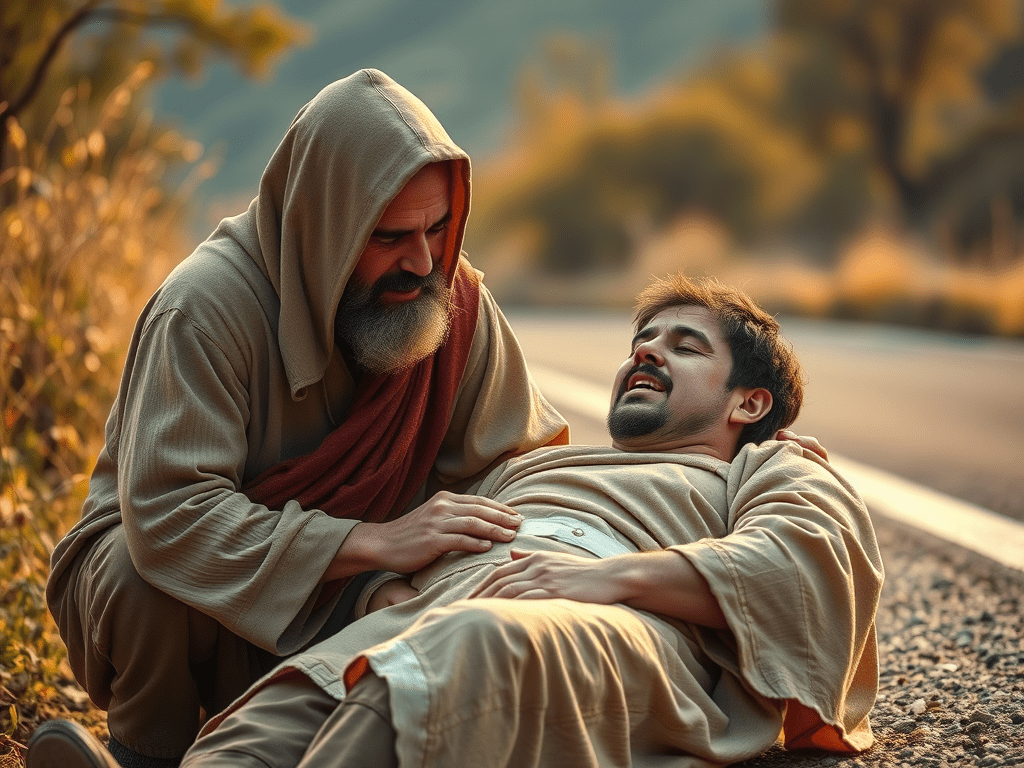
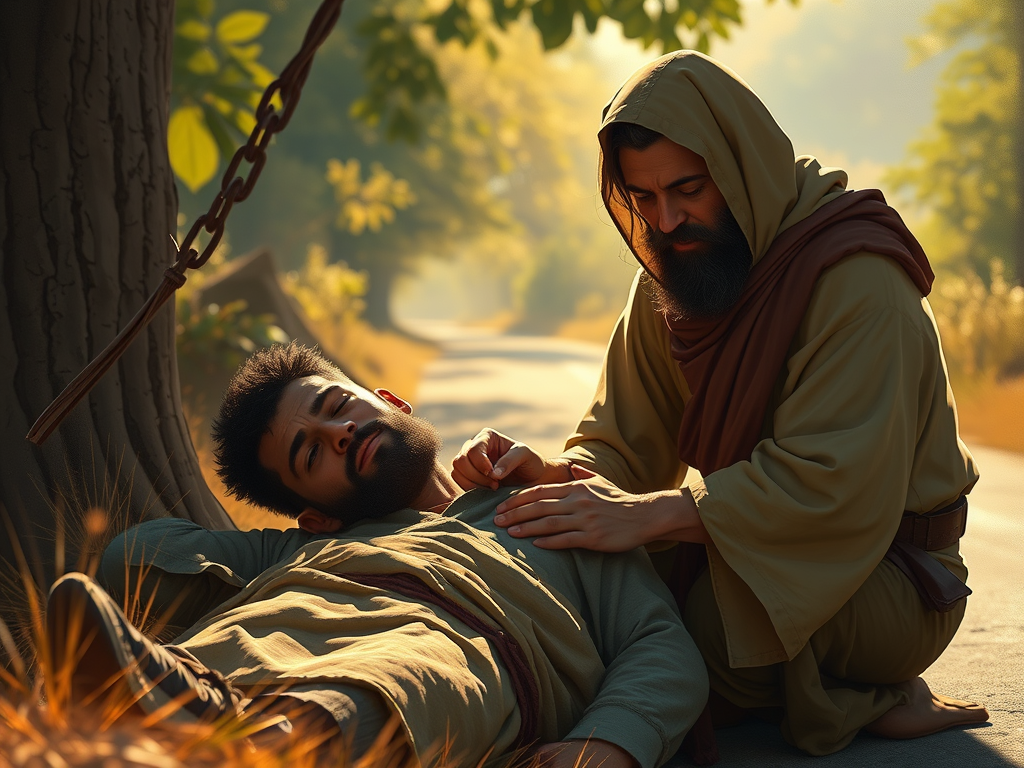
“Which of these three do you think was a neighbour to the man who fell into the hands of robbers?” The expert in the law replied, ‘The one who had mercy on him.’ Jesus told him, ‘Go and do likewise.’” (Luke 10:36–37, NIV)
Faith breathes through action. Jesus concluded the parable of the Good Samaritan with the command, “Go and do likewise.” He left no room for passivity in faith. Kingdom citizenship requires visible, tangible expressions of faith, reflecting God’s mercy to a broken world.
The Samaritan did not stop at pitying the injured man. He poured oil on his wounds, carried him to safety, and paid for his care. His faith moved, costing him time, money, and convenience. Faith shows that it is alive and works by love when it makes a move.

One of Martin Luther’s profound works is A Treatise on Christian Liberty. In it, he wrote, “God does not need your good works, but your neighbour does.” His words capture the essence of service in God’s kingdom. God wants our faith to translate into acts of mercy and justice. How else can we reveal His love to others?
The priest and Levite avoided the injured man, prioritizing convenience over compassion. But faith that moves interrupts schedules and sacrifices comfort. It steps into messy, inconvenient situations, trusting God’s grace to supply.
True faith is never static. James 2:26 reminds us, “Faith without works is dead.” The Samaritan exemplified the living faith. Faith that is alive would act boldly and love deeply.
Ask God to reveal areas where your faith needs movement. Find a way to meet some needs this week. You can do this by volunteering, providing resources, or being there for someone. Step out in faith and see how your relationship with God becomes more practical. Read James 2:14–17 and Matthew 5:14–16 for further reflection. Pray: “Lord, let my faith overflow in actions that reveal Your love to others.”
 Isaac Boluwatise