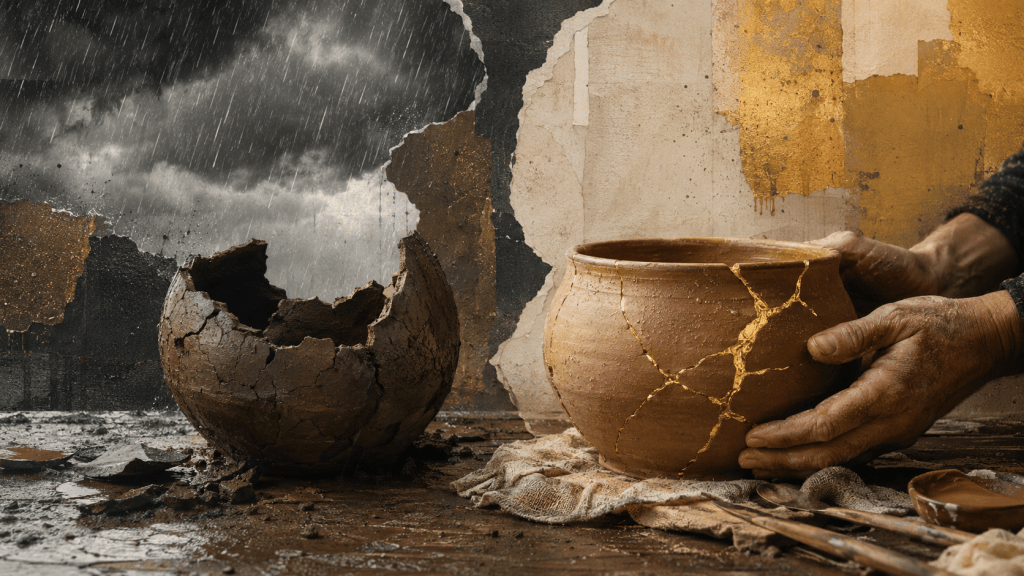
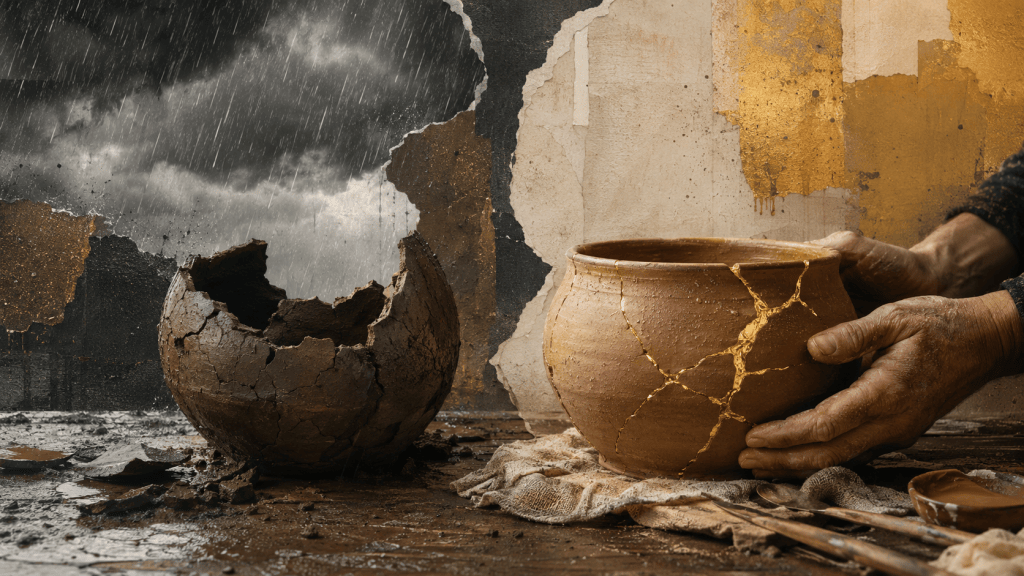
Suffering does not automatically make people mature.
Two people can pass through similar trials and emerge very differently. One becomes more humble, prayerful, compassionate, and steady. The other becomes cynical, suspicious, bitter, and closed.
The difference is not necessarily the severity of their suffering. It is what happens within the heart as suffering is interpreted and endured.
Trials can become instruments of formation, but they can also become occasions for hardening. This is why Scripture does more than tell believers that suffering has potential value. It calls them to meet suffering with faith.
Testing Creates an Opportunity for Endurance
James writes:
“Because you know that the testing of your faith produces perseverance” (James 1:3).
Testing does not mean that God is attempting to make believers fail. The image is of faith being examined, proved, and strengthened.
Trials reveal what seasons of comfort may conceal. They expose fears, false securities, impatience, pride, and the desire for control. They also reveal where faith has taken root.
But exposure alone is not maturity. Knowing that we are impatient does not automatically make us patient. Discovering that we depend upon control does not by itself teach surrender. The revelation must be received and answered.
The trial creates the occasion for formation. Faith must respond within it.
Endurance Is More Than Survival
James says that testing produces perseverance, or endurance. Endurance is not merely remaining alive until the difficulty ends. It is faithful remaining under pressure.
It means continuing to trust when answers are delayed, continuing to obey when obedience is costly, continuing to pray when emotions are exhausted, and continuing to love when disappointment tempts us to withdraw.
Many people begin well but struggle to remain. We obey while inspired but drift when the waiting becomes long. We trust while circumstances improve but panic when answers are slow.
Endurance is formed in the distance between promise and fulfilment.
This is why it cannot be produced instantly. Certain dimensions of Christian character emerge only through sustained dependence upon God.
Letting Endurance Complete Its Work
James continues:
“Let perseverance finish its work so that you may be mature and complete, not lacking anything” (James 1:4).
The instruction “let perseverance finish its work” shows that believers are not entirely passive in the process. God is the one who sustains and forms us, but we are called to remain receptive to his work.
We can resist formation by embracing bitterness, abandoning obedience, isolating ourselves, or turning pain into an identity. We can allow the trial to convince us that resentment is wisdom and that emotional closure is strength.
Alternatively, we can continue bringing ourselves before God. We can practise lament, receive correction, accept help, and take the next faithful step.
Letting endurance work does not mean remaining in avoidable danger. Scripture does not require anyone to tolerate abuse, refuse appropriate treatment, or decline legitimate opportunities for deliverance. Leaving a harmful situation may itself be the faithful response.
James is addressing unavoidable trials. His concern is that believers should not abandon trust before God completes his formative work within them.
How Trials Harden the Heart
Pain often produces a natural instinct toward self-protection. After disappointment, we may promise never to hope again. After betrayal, we may decide never to trust again. After loss, we may withdraw from relationships that make us vulnerable.
These responses can feel wise because they reduce the possibility of being hurt. But protection can gradually become imprisonment.
Unaddressed suffering can produce:
- cynicism that disguises itself as discernment;
- suspicion that makes trust impossible;
- anger that becomes part of personal identity;
- isolation that rejects needed community;
- spiritual numbness that refuses honest prayer;
- resentment toward those whose lives appear easier;
- distorted beliefs about the character of God.
The danger is not that wounded people experience these struggles. Such responses are understandable and require compassion. The danger arises when temporary defences become permanent rulers of the heart.
Lament or Bitterness
One crucial distinction is the difference between lament and bitterness.
Both begin with pain, but they carry pain in different directions.
Lament speaks honestly to God. It names the loss, asks difficult questions, and refuses superficial answers. Even when lament struggles to understand God, it remains in relationship with him.
Bitterness turns pain into a settled posture of hostility. It rehearses the injury until resentment becomes central to identity. It closes the heart to hope, correction, and sometimes even love.
Refusing bitterness does not mean pretending that nothing wrong happened. It means refusing to allow the wrong to become lord.
Lament gives suffering language before God. It allows grief to remain honest without surrendering the soul to resentment.
What Formation Looks Like Today
During a prolonged trial, maturity can feel too distant to be practical. It is therefore helpful to ask not only, “What is God forming eventually?” but also, “What does endurance look like today?”
It may mean:
- telling God the truth rather than pretending;
- making one necessary decision without knowing every future step;
- resisting an angry response;
- receiving help instead of withdrawing;
- continuing a neglected spiritual practice;
- extending love while maintaining wise boundaries;
- refusing to interpret delayed answers as divine indifference;
- obeying what is clear while waiting for what remains uncertain.
Endurance is often formed through ordinary acts of faithfulness repeated under pressure.
We Do Not Endure Alone
The Church has an essential role in the formation that occurs through trials.
A suffering believer does not need shallow explanations, hurried theological formulas, or pressure to appear victorious. People in deep pain must be permitted to grieve.
At the same time, Christian community should not abandon the suffering person to despair. The Church bears burdens, prays, offers material assistance, reminds people of God’s promises, and provides companionship when faith has become difficult to sustain alone.
Sometimes the community must hold hope on behalf of someone who cannot presently articulate it.
A mature church neither minimizes suffering nor treats despair as inevitable. It walks with wounded people in the presence of the risen Christ.
The Gospel, Not Suffering, Produces Transformation
Trials are not the saviour. Christ is.
Suffering by itself has no sanctifying power. The same fire that refines can also destroy. Christian transformation occurs as suffering is brought into relationship with the crucified and risen Christ through the sustaining work of the Holy Spirit.
Jesus entered suffering and remained faithful. The cross reveals that God can redeem what appears devastating. The resurrection establishes that suffering does not have ultimate authority. The Spirit strengthens the inner person, produces patience, comforts the afflicted, and forms hope.
Romans 5:3–5 connects suffering with perseverance, character, and hope. But that hope is ultimately grounded in God’s love poured into believers’ hearts through the Holy Spirit.
The formative power does not reside in pain itself. It resides in God’s gracious work within the person who suffers.
Conclusion
Suffering does not automatically make us mature. It can expose faith, but it can also expose fear. It can become soil for endurance or a fortress of resentment.
The decisive question is not merely what has happened to us, but how we will bring what has happened into the presence of God.
Name the trial honestly. Receive what it reveals without self-condemnation. Refuse bitterness while practising lament. Ask what faithfulness requires today. Allow others to carry the burden with you.
Trials are not good in themselves, but God can use them to form what comfort alone could never produce. Under the sustaining grace of Christ, pressure can deepen faith, endurance can complete its work, and wounded people can become mature without becoming hard.

