• Home
  • About
  • About Me
    • Our Ministry
  • Itinerarium
  • Contact

Isaac Boluwatise

  • Defining Neighbourliness

    November 27th, 2024

    Scripture: “But he wanted to justify himself, so he asked Jesus, ‘And who is my neighbour?’” (Luke 10:29, NIV)

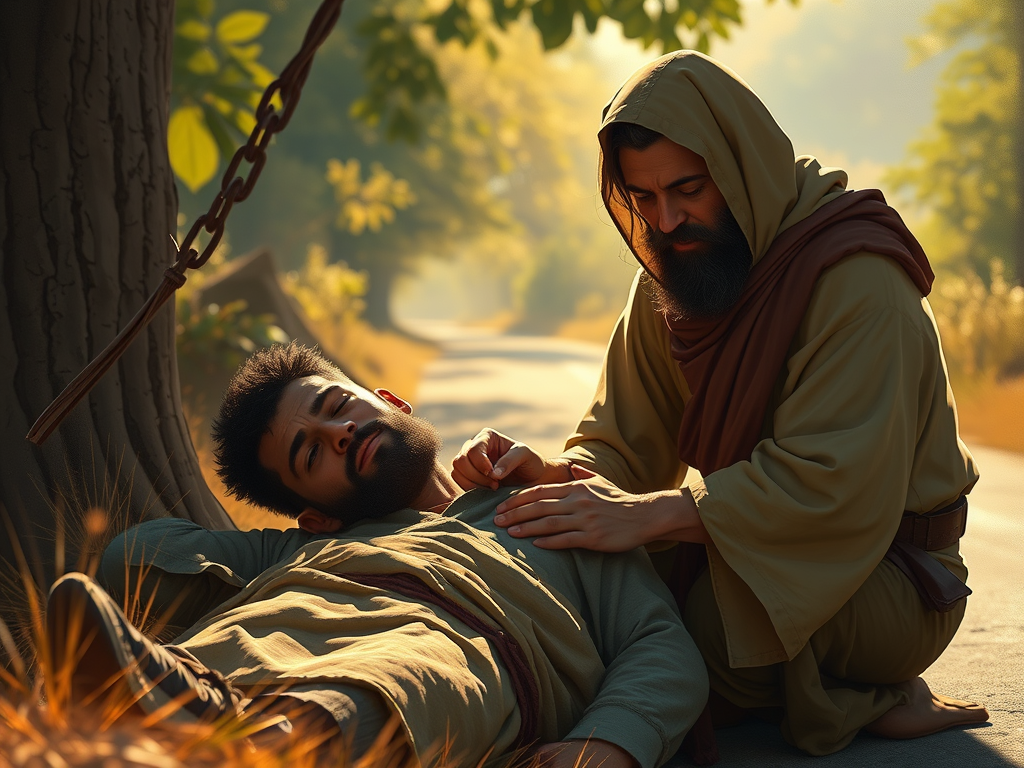
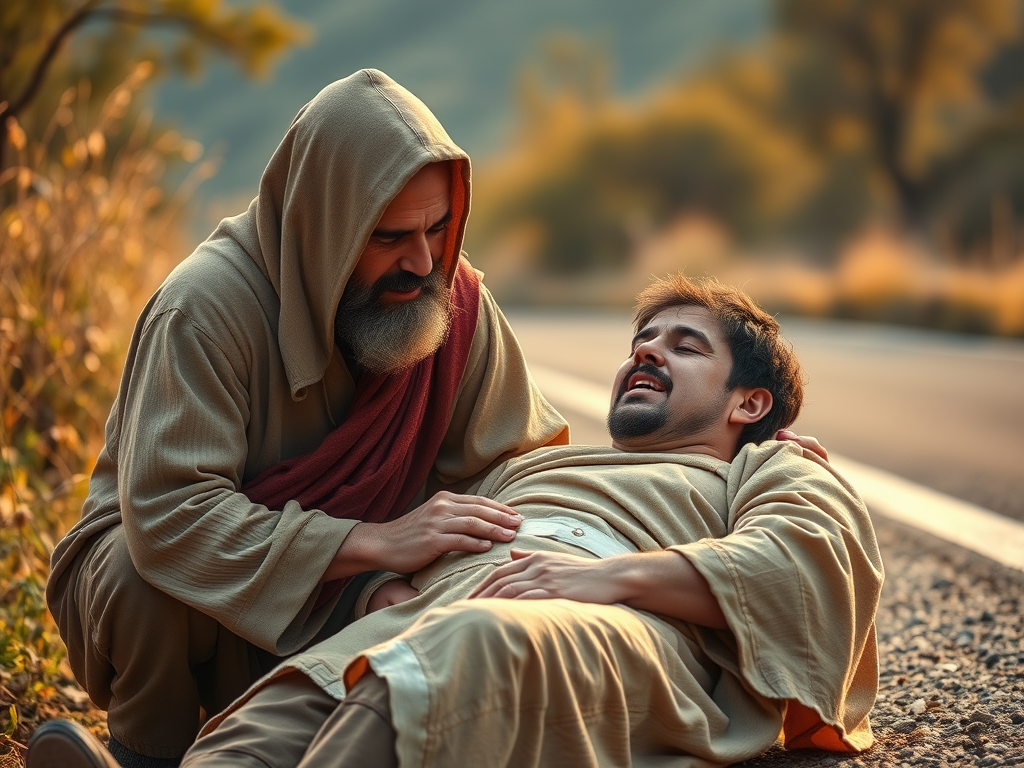
    The parable of the Good Samaritan took exception to some preconceived notions about neighbourliness. A lawyer who came to Jesus and wanted to limit his responsibility concerning neighbourliness asked, “Who is my neighbour?” Jesus responded with a story that shattered boundaries. The Samaritan, despised by Jews, displayed sacrificial love while religious leaders walked away. This vivid example reveals that neighbourliness is not defined by proximity or similarity but by mercy.

    The Samaritan’s actions were costly. He stopped, tended the man’s wounds, transported him, and paid for his care. He didn’t rationalize his way out of helping; he acted. His practice of mercy transcended ethnic and social divides and reflected God’s inclusive love.

    John Wesley wrote, “Do all the good you can, by all the means you can, in all the ways you can, to all the people you can, as long as ever you can.” This expansive call to love echoes Jesus’ teaching. True neighbourliness recognizes no boundaries. It sees needs and moves to meet them.

    Today, it’s easy to justify indifference. Busy schedules, personal ambitions, or fear of inconvenience can keep us from showing mercy. But Jesus calls us to reframe our vision of neighbours. They are the homeless person we pass on the street. They are also the coworker with burdens they don’t voice. It could even be the family member with whom we’ve grown distant. Neighbourliness reflects God’s Kingdom, where mercy triumphs over judgment.

    Pray for God to open your eyes to a neighbour in need this week. Act intentionally by performing a specific act of kindness for someone outside your comfort zone. Write a note of encouragement, deliver a meal, or lend a listening ear. Reflect on how God’s love flows through your obedience. Read Luke 6:27-36 and Isaiah 58:6-12 for further insights into mercy and neighbourliness. Pray: “Lord, help me see beyond differences and extend Your mercy to all.”

  • Love in Action

    November 26th, 2024

    “Love your neighbour as yourself.” (Matthew 22:39, NIV)

    Love for others isn’t a choice—it is a mandate, a hallmark of Kingdom citizenship. Jesus’ words challenge our biases, compel forgiveness, and demand empathy. This is not a sentimental affection but a deliberate act of will that prioritizes the well-being of others.

    In a world plagued by division, Kingdom Love offers a radical choice. It dares to extend kindness to strangers and enemies alike. It embraces the wounded, reconciles the estranged, and uplifts the forgotten. It moves beyond words into action, meeting practical needs and soothing emotional wounds. Such love is costly but profoundly rewarding.

    In the words of Dietrich Bonhoeffer, “We must learn to regard people less in light of what they do or omit to do and more in the light of what they suffer.” Christlike love observes suffering and responds with mercy. It transcends race, class, and offense, reflecting God’s boundless mercy.

    The modern world often builds walls of exclusion and judgment. Kingdom love dismantles those walls, paving the way for unity and peace. Reconciliation flourishes when we embody this love, and the Kingdom’s light shines brighter. But this love requires purposeful action. It calls us to see others through God’s eyes and value their worth.

    Our love for others reflects our love for God. According to 1 John 4:7–21, without love, our faith is incomplete. When we choose to love our neighbours, we mirror Jesus’ compassion and invite others to experience His grace.

    Pray for someone you have struggled to love. Ask God to soften your heart and renew your perspective. Take one practical step toward reconciliation this week. Send a note, make a call, or offer a helping hand. Record the outcome and think about how your obedience affected you. Read Romans 12:9–21 and Philippians 2:3–8. Let these passages challenge and deepen your commitment to love in action. Pray: “Lord, teach me to see others through Your eyes and love them as You do.”

  • The Heart of Kingdom Citizenship

    November 25th, 2024

    Subscribe to continue reading

    Subscribe to get access to the rest of this post and other subscriber-only content.

    Already a subscriber?
  • Kingdom Citizenship in Action

    November 24th, 2024

    “Let your light shine before others, that they may see your good deeds.” — Matthew 5:16
    Reflection:
    Kingdom citizenship transcends mere identity; it requires active engagement and revolutionary living. Jesus modelled this vividly, embodying justice, mercy, and humility in every interaction. He healed the sick, fed the hungry, embraced the outcasts, and forgave sinners. His life became the definitive guide for how His followers should live and serve.
    The early church in Acts provides another compelling example. Believers shared their resources, supported the needy, and worshipped with unified hearts (Acts 2:44–47). Their faith extended beyond words into tangible actions, creating a community that inspired transformation. Their unity attracted others to Christ. This happened as “the Lord added to their number daily those who were being saved” (Acts 2:47). Their visible deeds testified to their Kingdom allegiance and drew others into fellowship.
    Living as Kingdom citizens demands alignment with God’s values. It means advocating for justice in difficult circumstances. It requires extending mercy to those who do not deserve it. It involves walking humbly in a culture dominated by pride. Every interaction presents an opportunity to mirror God’s character and expand His Kingdom.
    This citizenship thrives within a community. Just as the early church strengthened one another, believers today are called to support their faith family. Together, they cultivate accountability, inspire good works, and collectively shine God’s light into the darkness.
    Today, consider how you can live as a Kingdom citizen. Seek ways to show justice, mercy, and humility in your everyday interactions. Each small act of obedience and love contributes to the ripple effect of God’s Kingdom advancing on earth.
    Prayer and Action:
    Lord, guide me to live as a faithful citizen of Your Kingdom. Let my life show Your justice, mercy, and humility in all I do. Today, I will intentionally seek opportunities to serve others. I will visibly live out my faith. I trust that my actions will fulfill Your Kingdom’s purpose.
    Further Reading:
    Read Matthew 28:18–20. In this passage, Jesus commissions His followers to make disciples of all nations, reflecting Kingdom purpose. Romans 12:9–13 outlines living as loving and devoted members of Christ’s body. Ephesians 2:19 reminds believers of their identity as fellow citizens in God’s household.

  • Living as Salt and Light

    November 23rd, 2024

    “You are the salt of the earth… the light of the world.” Matthew 5:13–14

    Jesus portrayed His disciples as salt and light. With these metaphors, He illustrated their transformative influence in a fractured world. Salt preserves, enhances, and purifies. Light exposes, directs, and dispels darkness. Together, these metaphors capture the essential role believers play wherever God places them.

    Salt works with quiet power, subtly transforming its environment. A small measure of salt would change the flavour of an entire dish. Similarly, seemingly minor acts like speaking truth, showing kindness, or standing firm in righteousness can create profound ripple effects. Every decision we make to uphold integrity contributes to advancing God’s Kingdom.

    Light, in contrast, commands attention. It reveals what is hidden, offers guidance, and inspires hope. Jesus instructed His followers. He said, “Let your light shine before others, that they may see your good deeds. Glorify your Father in heaven” (Matthew 5:16). Light draws others out of darkness and directs them toward truth. Paul and Silas exemplified this when they sang hymns in Macedonian prison (Acts 16:25–34). They stood firm in their faith. This changed their circumstances. It led to the salvation of the jailer and his family.

    Living as salt and light demands active engagement with the world. Remaining silent in the face of injustice or retreating from challenges neglects Christ’s call. Believers must let their faith permeate their words, decisions, and relationships. Ask yourself: Do my actions preserve goodness and show God’s truth? Am I directing others toward the light of Christ?

    This calling seem overwhelming, but it comes with Christ’s assurance. Through Him, you become an instrument of His love and a guide for those needing direction.

    Prayer and Action:
    Lord, empower me to live as salt and light in a world desperate for Your truth. Shape my actions to show Your goodness and inspire others to glorify You. Today, I commit to seeking opportunities to illuminate Your love and preserve what honours You through faithful service.

    For Further Reading. In John 8:12., Jesus declared Himself the light of the world, offering direction to those in darkness. Philippians 2:14–16 urges believers to shine like stars by living without grumbling or arguing. In Ephesians 5:8, Paul reminded believers to live as children of light, reflecting God’s goodness, righteousness, and truth.

←Previous Page
1 … 3 4 5 6 7 … 45
Next Page→

Blog at WordPress.com.


Loading Comments...
 

You must be logged in to post a comment.

    • Subscribe Subscribed
      • Isaac Boluwatise
      • Join 67 other subscribers
      • Already have a WordPress.com account? Log in now.
      • Isaac Boluwatise
      • Subscribe Subscribed
      • Sign up
      • Log in
      • Report this content
      • View site in Reader
      • Manage subscriptions
      • Collapse this bar